


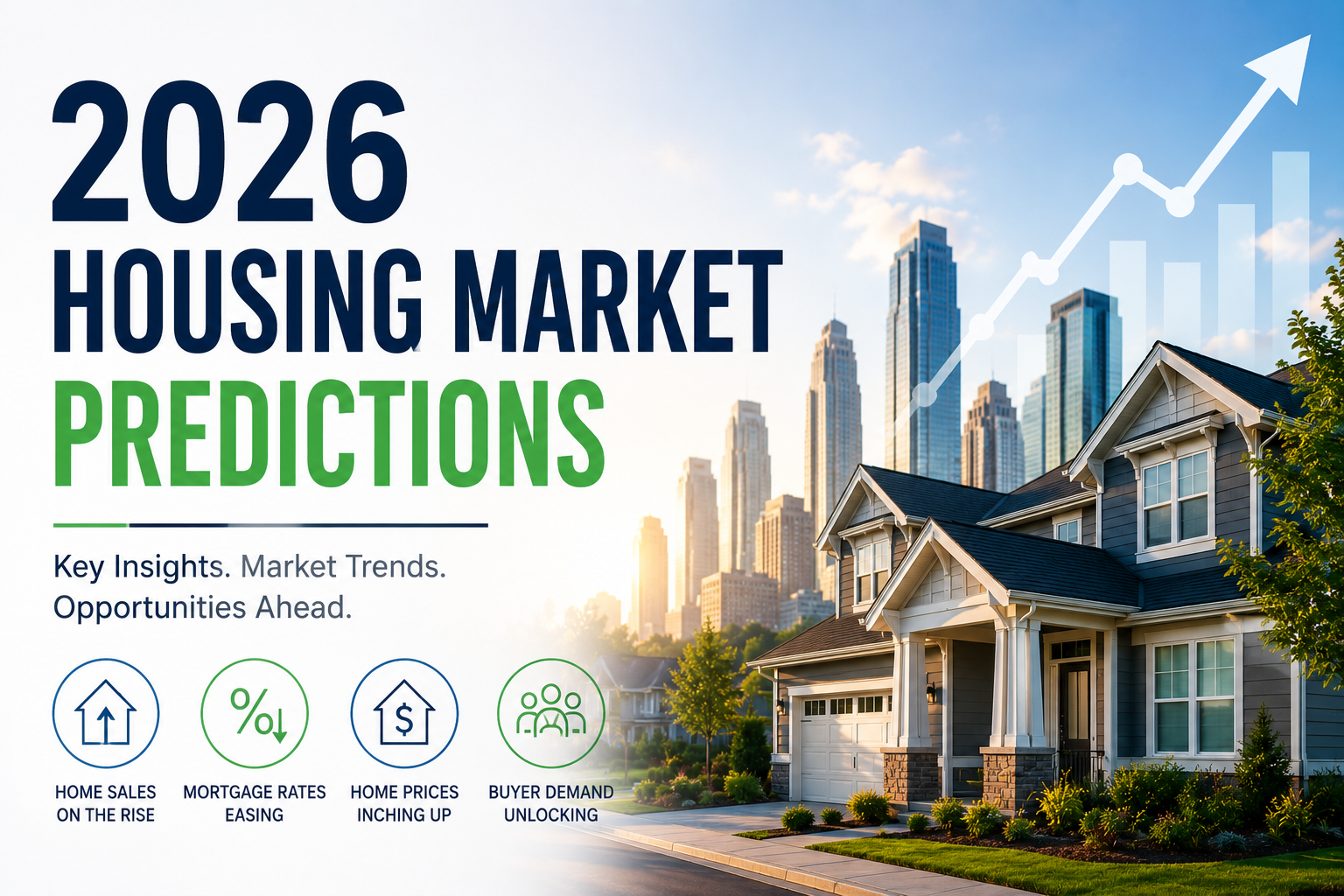
The U.S. housing market is expected to enter a more balanced phase in 2026 after several years of uncertainty. High mortgage rates, affordability concerns, and limited inventory slowed market activity in recent years, but industry experts believe conditions are gradually improving.
For real estate professionals, investors, buyers, and sellers, understanding these changes will be essential for success in the coming year.
At Finders, we believe staying informed about market trends helps businesses and professionals connect with the right audience at the right time. As the real estate industry evolves, digital visibility and local trust will play a major role in business growth.
2026 Housing Market Predictions: A Market Reset Ahead?
Many housing experts are calling 2026 a “market reset” year. While the market may not return to the ultra-low mortgage rates seen during the pandemic, several indicators suggest a healthier and more active environment ahead.
Key trends expected in 2026 include:
- Stabilizing mortgage rates
- Increased housing inventory
- More active buyers and sellers
- Slower but steady home price growth
- Improved affordability in some regions
The market is shifting from uncertainty toward stability, creating new opportunities for both buyers and real estate professionals.
Home Sales Expected to Rise
One of the biggest predictions for 2026 is an increase in home sales activity.
Many buyers postponed purchasing decisions during the past two years because of rising rates and affordability concerns. As conditions normalize, demand is expected to return gradually.
This could lead to:
- More existing home sales
- Growth in new home construction
- Increased buyer confidence
- Higher demand for experienced agents
For real estate professionals, this means more opportunities to generate leads and close transactions.
Mortgage Rates May Ease in 2026
Mortgage rates continue to influence buyer activity more than any other factor.
Most forecasts suggest rates could stabilize around the low-to-mid 6% range in 2026. Although this is still higher than pre-pandemic levels, buyers are slowly adjusting to the new market reality.
Today’s buyers are focusing more on:
- Monthly affordability
- Long-term homeownership benefits
- Refinancing opportunities later
- Flexible financing solutions
Real estate professionals who educate buyers about financing options and affordability strategies will stand out in a competitive market.
Home Prices Likely to Increase Slowly
Experts predict home prices will continue rising in 2026, but at a much slower pace compared to recent years.
Instead of rapid price growth, the market may experience:
- Moderate appreciation
- Balanced negotiations
- Fewer bidding wars
- Longer listing periods in some areas
This slower pace could improve affordability for many households, especially as wages continue growing and inflation stabilizes.
Housing Inventory Is Improving
Inventory levels are expected to rise in 2026 as more homeowners decide to list their properties.
However, supply in many regions will likely remain below pre-pandemic averages.
For sellers, this means pricing and presentation will matter more than ever.
Homes that are overpriced may stay on the market longer, leading to:
- Price reductions
- Increased days on market
- Reduced buyer interest
Agents who use accurate market data and strong marketing strategies will have a major advantage.
Buyer Trends Shaping the Market
Millennials and Gen Z Buyers Continue Searching
Younger buyers still want homeownership despite affordability challenges.
Many are exploring alternative buying strategies such as:
- Co-buying with family or friends
- Smaller starter homes
- House hacking
- Down payment assistance programs
These buyers value transparency and education, making knowledgeable agents more valuable than ever.
Baby Boomers Continue Downsizing
Baby boomers remain active in the housing market as many transition into retirement.
Common motivations include:
- Downsizing
- Relocating closer to family
- Selling long-term homes
- Managing inherited properties
These transactions often require patience and guidance, creating opportunities for agents who provide personalized support.
Regional Housing Trends to Watch
Affordability continues influencing where people choose to live.
Many buyers are moving toward:
- Secondary cities
- Affordable suburbs
- Midwest markets
- Southern growth regions
These areas often offer lower home prices and better affordability compared to expensive coastal markets.
Meanwhile, high-cost regions continue facing challenges such as:
- Rising insurance costs
- Climate-related risks
- Elevated property taxes
- Higher living expenses
Buyers are increasingly evaluating long-term ownership costs before making purchasing decisions.
Rental Market Changes in 2026
Although rent prices remain high in many cities, rent growth is beginning to slow.
This gives renters more time to:
- Save for down payments
- Improve credit scores
- Explore homeownership options
- Compare renting versus buying
Real estate professionals who educate renters about ownership costs, equity building, and financing programs can build strong future client relationships.
How Real Estate Professionals Can Prepare for 2026
The 2026 market will reward professionals who stay informed, adaptable, and visible online.
Here are a few strategies to stay ahead:
- Reconnect with past leads
- Improve your digital marketing
- Create educational real estate content
- Build strong referral partnerships
- Focus on specific target audiences
- Strengthen your social media presence
- Stay updated on local market trends
Consistency, education, and trust-building will remain the keys to long-term success.
Why Finders Is a Valuable Platform for Real Estate Professionals
As competition in the real estate industry grows, having strong online visibility becomes increasingly important.
Finders helps businesses and professionals improve their digital presence by connecting them with local audiences actively searching for services.
Real estate professionals can benefit from Finders through:
- Increased local visibility
- Better audience reach
- Stronger online credibility
- Improved brand awareness
- More opportunities to connect with potential clients
In a changing market, platforms like Finders help businesses stay discoverable and competitive.
Final Thoughts
The 2026 housing market is expected to bring more stability and opportunity compared to recent years.
Key trends to watch include:
- Rising home sales
- Stabilizing mortgage rates
- Improving inventory
- Moderate home price growth
- Changing buyer behavior
For real estate professionals, success in 2026 will depend on staying informed, educating clients, and building a strong online presence.
As the market evolves, professionals who adapt quickly and remain visible in their local communities will be best positioned for long-term growth.
Comments (0)